Our story
Pop Art! Kids didn’t start as a business.
It started as a mother figuring it out.
Living in Old Town, Alexandria at the time with her three young children — including a son with a rare genetic condition, DUP15Q syndrome — life shifted overnight. When the pandemic paused his therapies, the question became urgent: how do you support a child who experiences the world differently… at home?
The answer came through play.
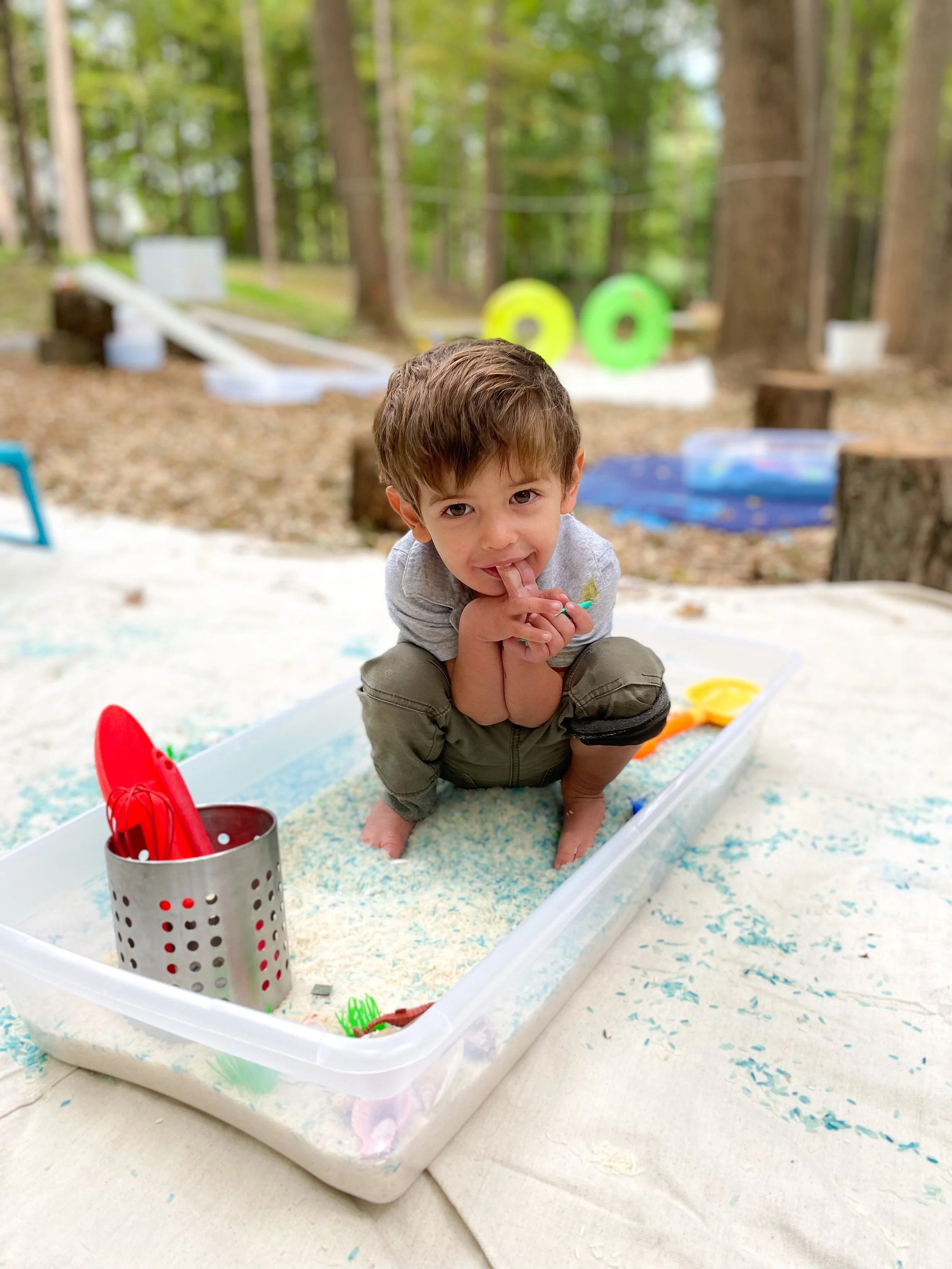
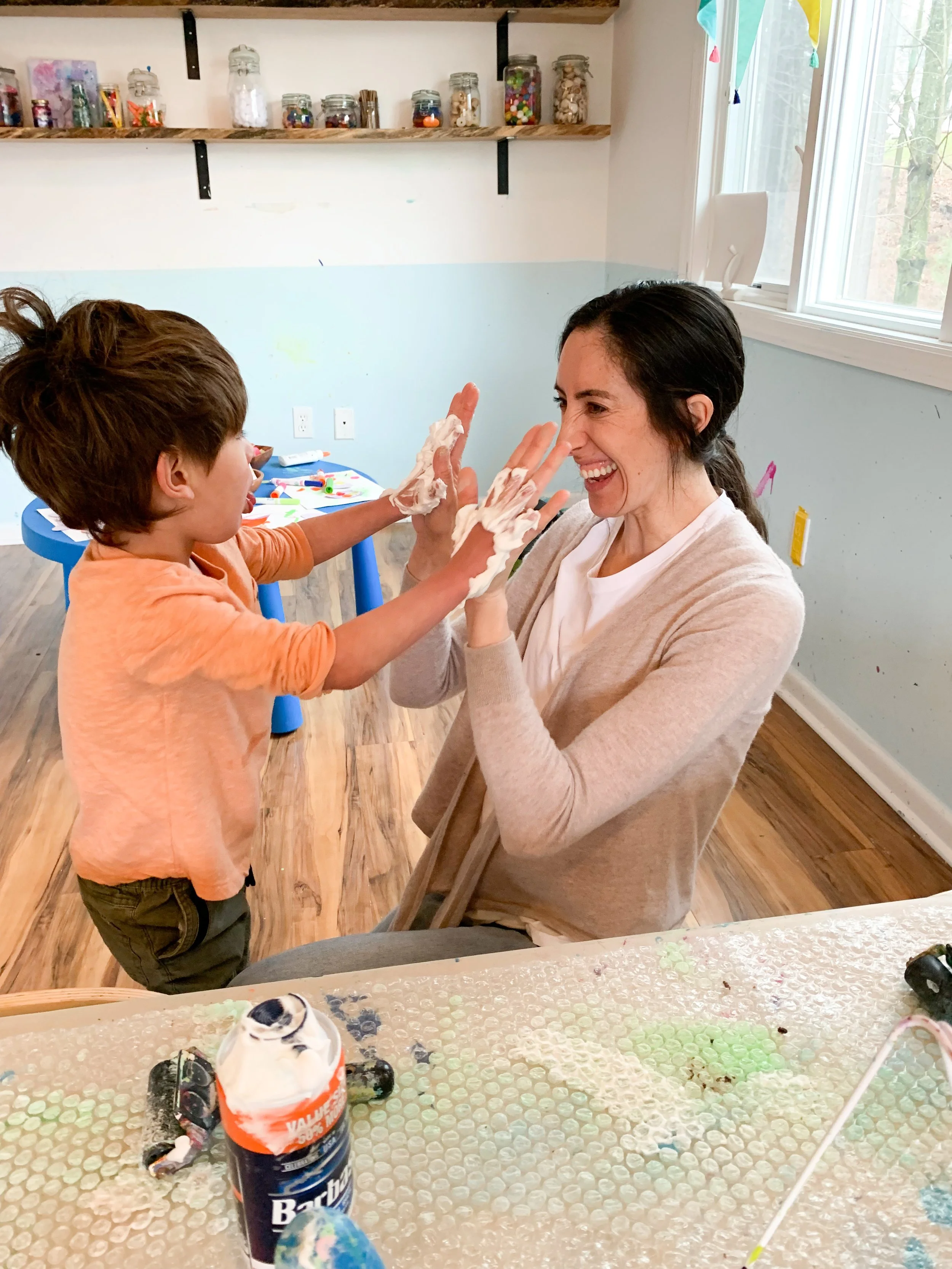
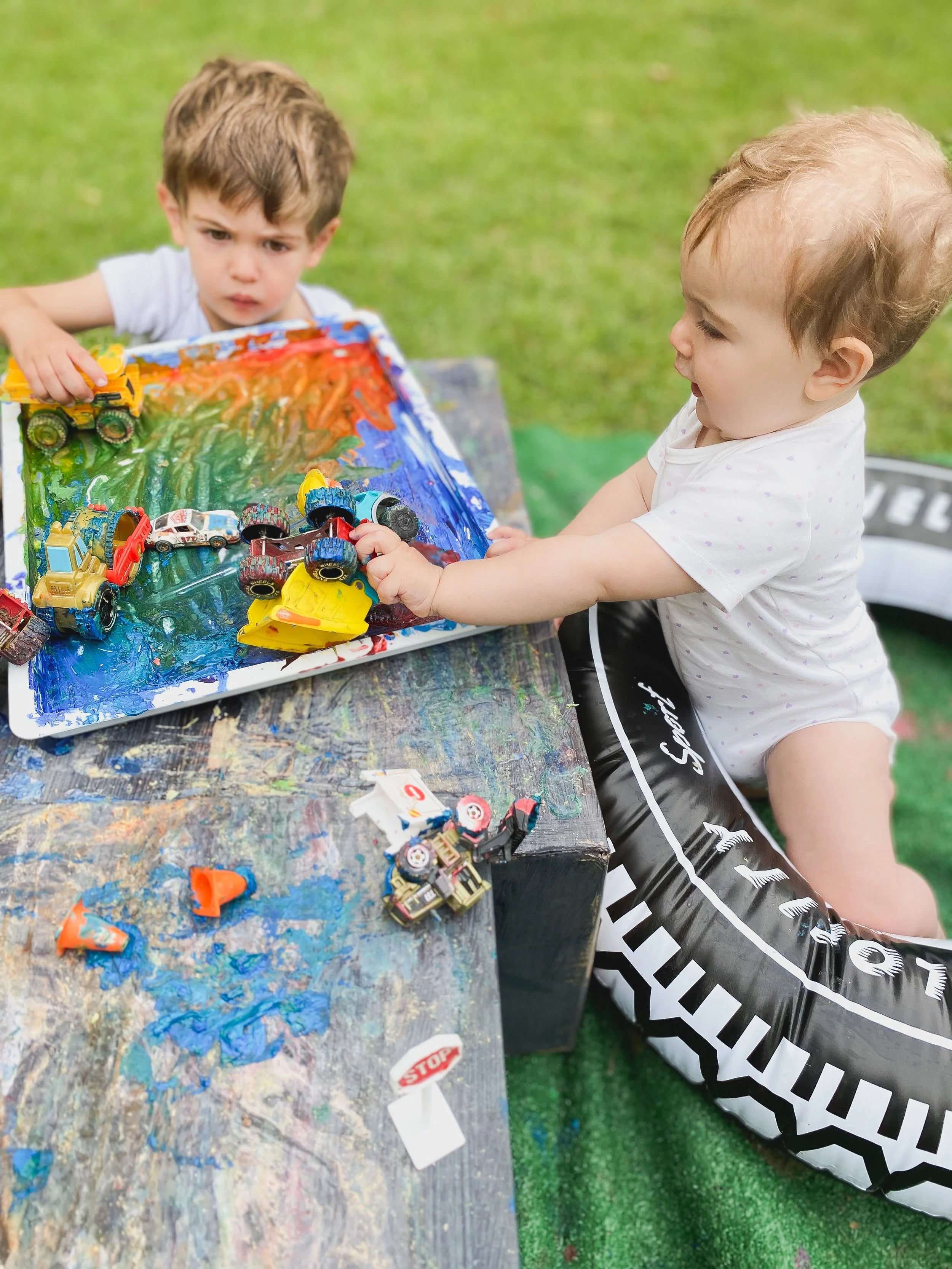
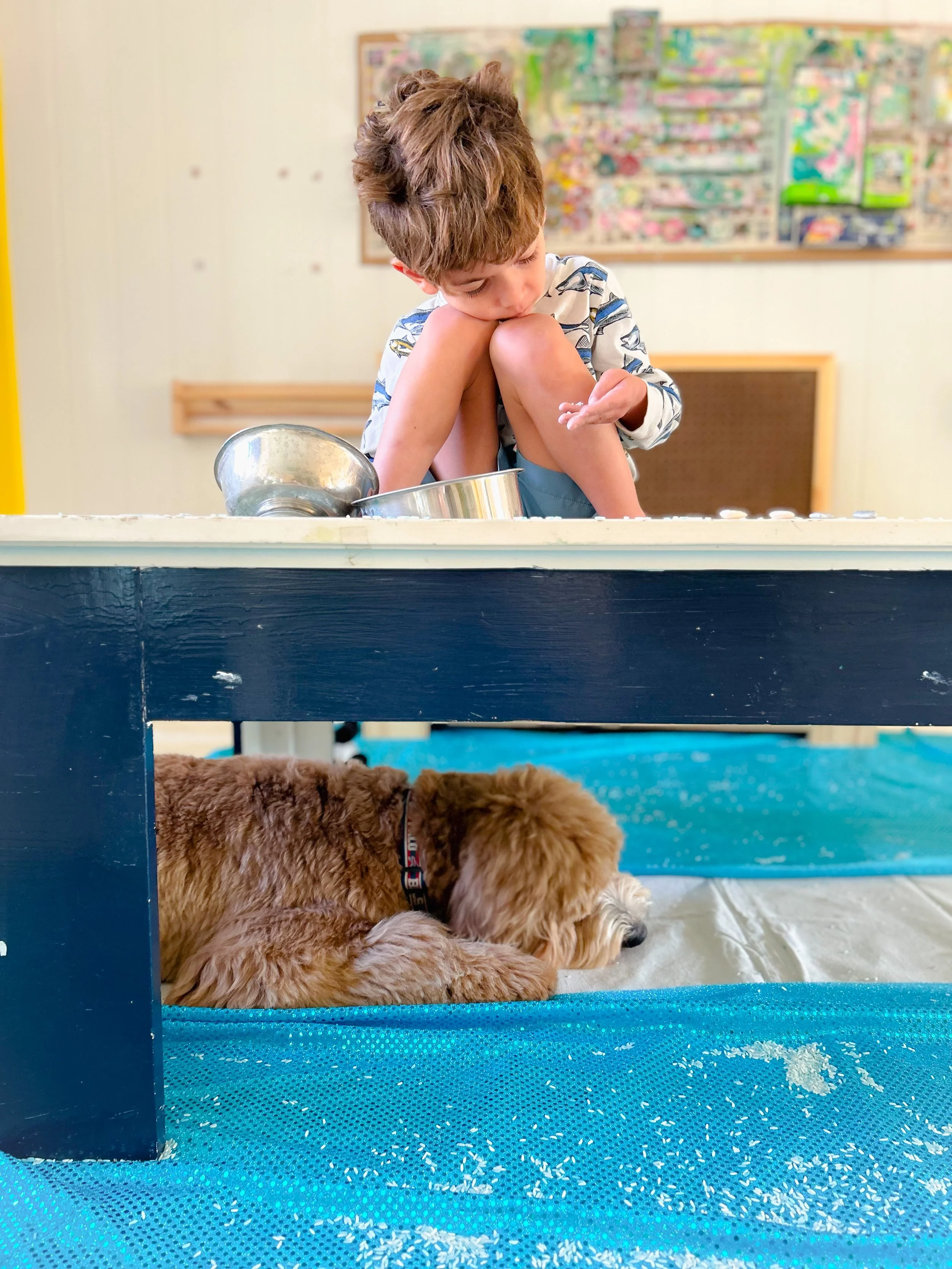
What began as simple sensory bins quickly revealed something powerful. Rosie watched her son become calmer, more connected, more expressive. She watched skills build quietly through joy. And she watched something even bigger unfold — her children playing side-by-side, each in their own way, fully included.
That moment changed everything.
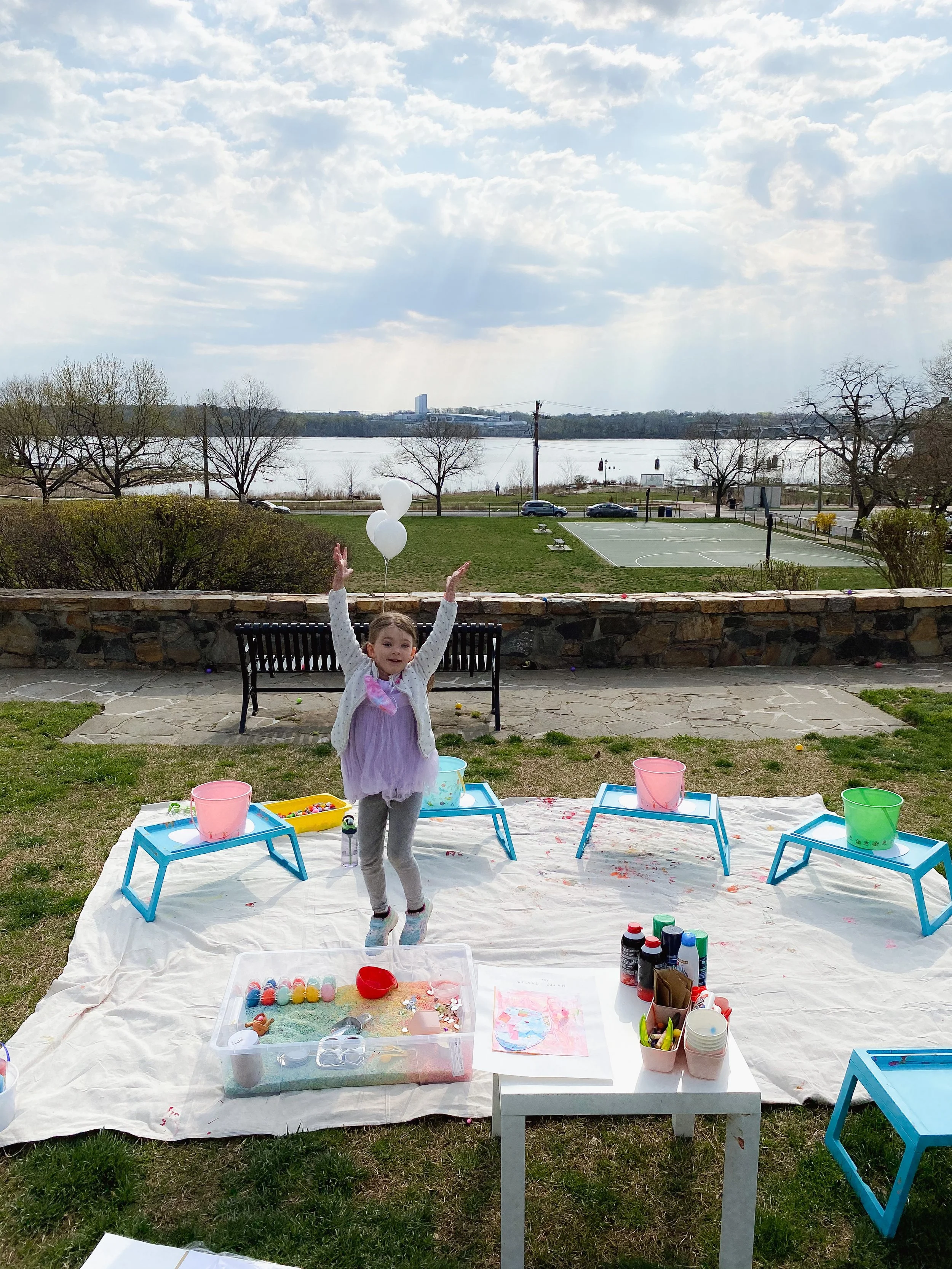
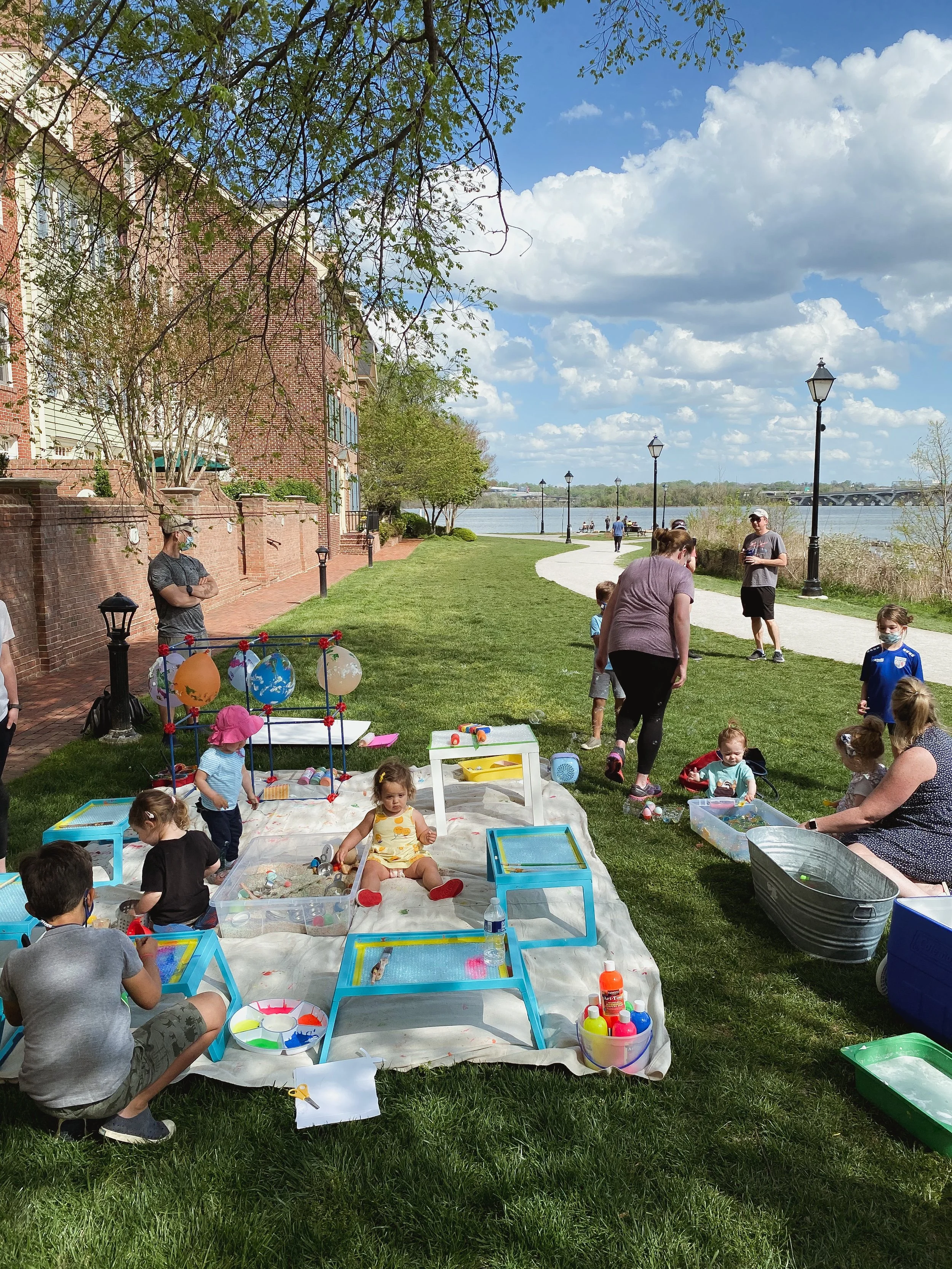
What started on a kitchen room floor moved into a local park — a few bins, a few curious toddlers, and a spark of something special. When Rosie later moved to Ridgefield, CT, those small pop-ups grew into a community. One that felt different. Warmer. More connected. More human.
It became a place where caregivers exhale. Where friendships form. Where everyone — no matter their story — feels like they belong.
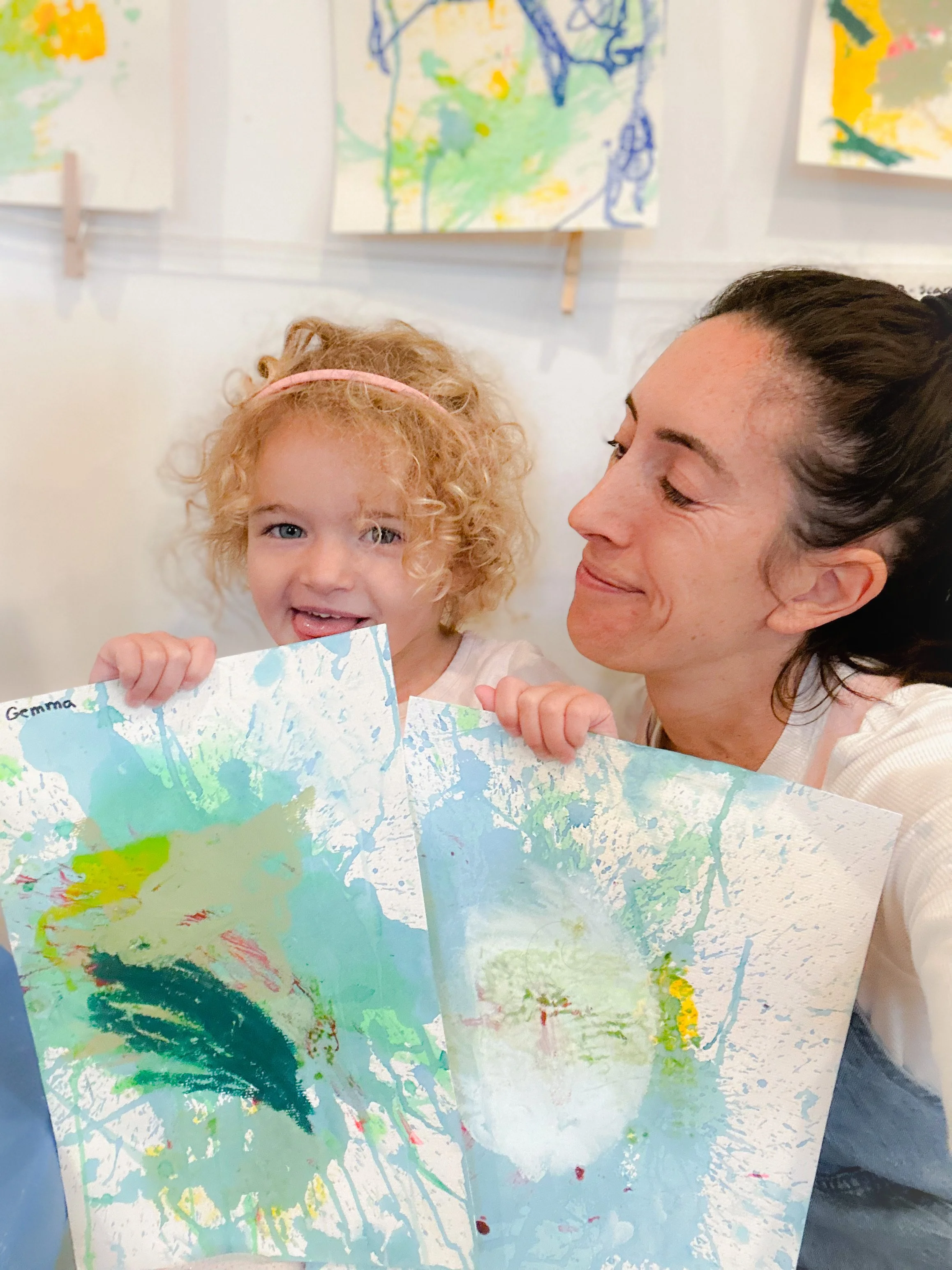
Today, Pop Art! Kids is a one-of-a-kind creative studio built on that original belief: that play is powerful, that creativity connects us, and that the most meaningful experiences are the ones that make people feel seen.
Behind it all is Rosie’s creative lens. With a background in graphic design, she began her career at Mother New York — one of the most innovative advertising agencies in the world — before joining J.Crew, where she worked under Jenna Lyons. Those years shaped her ability to design experiences that are not only beautiful, but deeply felt.
And it shows.
Rosie has been recognized as a Fairfield County 40 Under Forty, named Business Person of the Year by the Ridgefield Chamber of Commerce (2023 and 2026), and was the winner of the 2024 Ridgefield’s Tiger Shark Tank presented by the ECDC.
But the real measure of Pop Art! Kids isn’t in awards.
It’s in the child who stays longer than expected. The caregiver who lingers to talk. The moment someone walks in and thinks, “this feels different.”
Because it is.